High security garage doors: The best options to protect your home
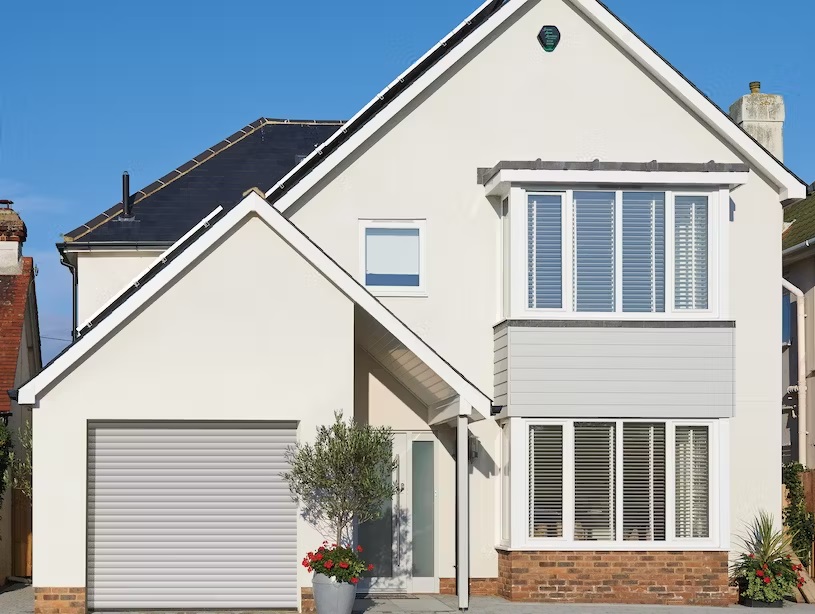
The most secure garage doors combine a robust steel or aluminium construction with multi-point locking, anti-lift features, and an independently tested certification such as LPS 1175 or Secured by Design.
Sectional and insulated roller doors consistently sit at the top of the security table. If your current door has a single centre latch and thin panels, it is a weak point – not a barrier.
Read on for a door-by-door breakdown, the certifications that actually matter, and a clear guide to whether upgrading or replacing gives you the best return.
What makes a garage door genuinely secure?
Most people assume a lock makes a door secure. In reality, the lock is only as strong as the panel, the frame, and the way those components are fixed together.
A garage door with a high-spec cylinder fitted to a thin single-skin panel or a lightweight timber sub-frame offers very little real protection. Opportunists do not always break the lock – they flex the panel, lever the bottom rail, or simply lift the curtain on a roller door that has no mechanical locking at all.
The four pillars of a truly secure garage door are:
| Pillar | What to look for |
| Panel strength | Double-skinned or well-braced steel; rigid bottom rail |
| Locking system | Multi-point shoot bolts; steel locking rods, not cables |
| Anti-lift features | Auto-locking straps, track stops, or deep guide rails |
| Frame and fixings | Steel sub-frame; tamper-resistant fixings; reinforced keeps |
Weak frames and light fixings can undo even the best hardware, so installation quality matters as much as the door itself.
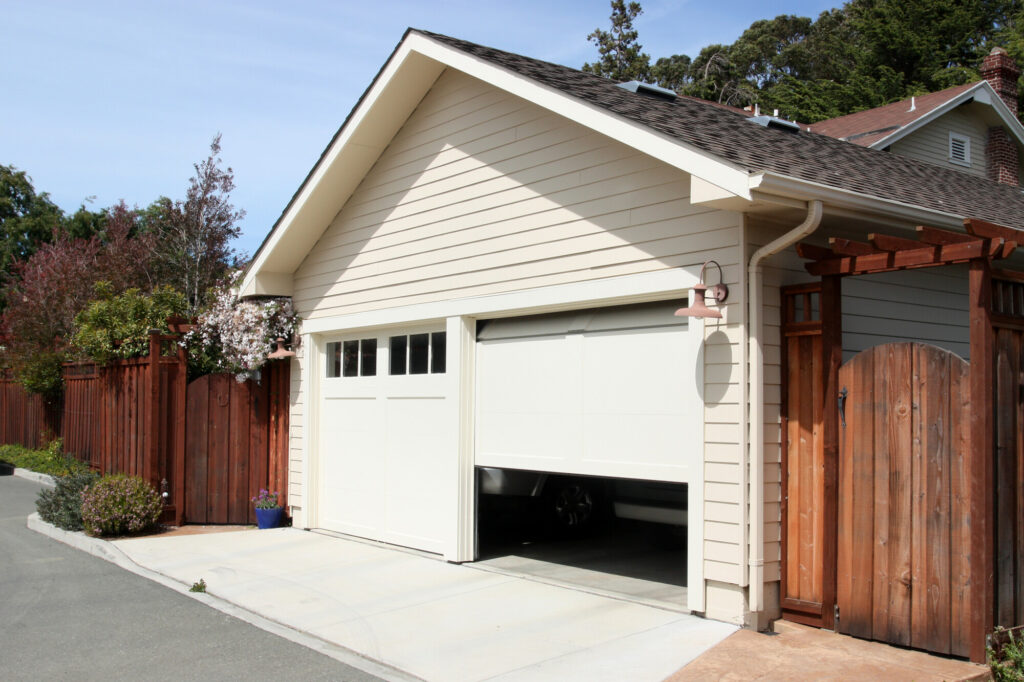
The most secure garage door types compared
Sectional garage doors
Sectional doors sit flush with the opening and open vertically in horizontal panels that travel up into the roof space. There are no external handles, no exterior locks, and no leverage points – the absence of anything to grab is itself a deterrent. Multi-point locking engages automatically on closing, and the panel design resists bending far better than a single-leaf door. Many sectional doors carry RC2 ratings and PAS 24 approval.
View our sectional garage doors range.
Insulated roller garage doors
A well-made roller door with steel-reinforced slats, deep guide rails, and an auto-locking motor is one of the most secure options available for domestic use. The key distinction is in the locking mechanism: basic roller doors rely solely on the motor weight to stay closed, which can be overcome quickly with simple tools. Look for models with interlocking slats, bottom rail anchors, and end locks that engage independently of the motor.
Our insulated roller garage doors cover the specification points that matter.
Side hinged garage doors
A heavy-gauge steel side hinged door fitted with a three-point locking system – shoot bolts into the top frame, floor, and a central deadbolt – is a strong performer. The weak point to address on side hinged doors is the hinge side: hinge bolts that bite into the frame prevent prying and are a straightforward upgrade. Steel construction and a steel sub-frame are essential; timber frames compress and split under lateral force.
See our side hinged garage doors for available specifications.
Up and over garage doors
Up and over doors have improved significantly, but their design still presents a vulnerability at the top edge where the panel pivots. The best models feature four-point steel locking rods, a reinforced lock body plate, increased rear bracing, and a steel sub-frame. A security de-latch device adds an extra locking layer when the door is also automated. For routine domestic security, a certified steel up and over door from a reputable manufacturer is an acceptable choice – just confirm it carries a tested rating rather than relying on a supplier’s description alone.
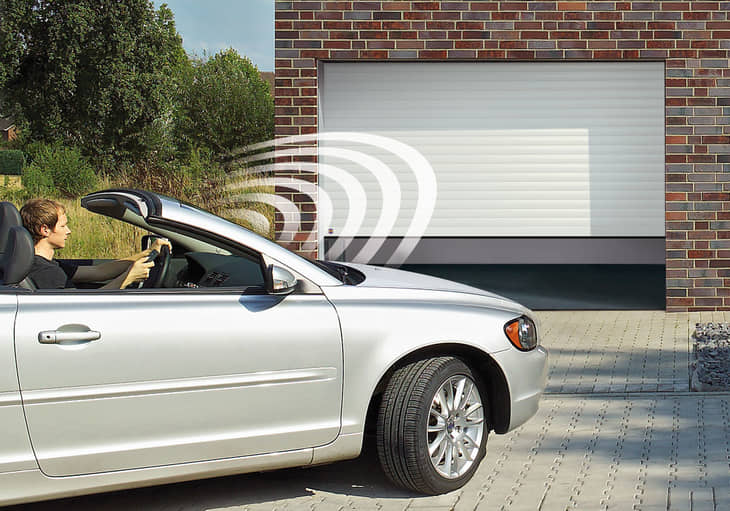
How automation affects security
Automated doors are generally harder to force open than manual equivalents because the motor physically holds the door shut in addition to the mechanical locks. The motor should not be the only locking method, but it adds a meaningful layer of resistance.
Two automation-specific risks are worth knowing:
- Remote cloning – older fixed-code systems can have their signal copied. Specify rolling-code or encrypted remotes, and delete lost transmitters from the system immediately.
- Power cuts – know where the manual release is before you need it. Consider a small battery backup if there is no side door to your garage.
Our automatic garage doors page covers operator types and how to choose the right one for your door type.
Should you upgrade your existing door or replace it?
The honest answer depends on what you currently have.
Upgrading makes sense when:
- The panel and frame are structurally sound
- You need to add multi-point locking, hinge bolts, or a defender bar
- You want to add automation to an already-solid manual door
Replacement is the better route when:
- The panel is thin single-skin, shows signs of flex or corrosion, or lacks any anti-lift features
- The frame is timber and has deteriorated or is poorly fixed
- The door has a single central latch and no secondary locking points
A door that looks acceptable but has no certified locking and a lightweight panel is not protecting your home – it is delaying an opportunist by seconds, not minutes. If your door cannot be meaningfully upgraded, replacing it is the more cost-effective decision in the long run.
At Southern Doors, we offer garage door replacement across the South of England, including a free no-obligation survey to assess what your existing setup needs. Get in touch today and let our team help you find the perfect garage door for your unique security needs.