Struggling to Open Your Manual Garage Door?

Are you struggling to open your manual garage door? For many homeowners, the garage is the hub of activity in their home and is the location of vehicles, gym equipment, gaming tables and DIY tools. Therefore it can be frustrating when access is hindered by a faulty garage door that just won’t open properly. In this article, we will explore the most common causes of a garage door that won’t shut, and describe the best solutions to solve these problems.
Damage to Torsion Springs
Cause: Garage torsion springs are vital aspects of the garage opening system, as no other part of the mechanism is strong enough to lift the heavy door. When a torsion spring suffers a failure or breakage, you may notice that your garage feels much weightier to lift, or it simply won’t open at all. If you’re around to hear the spring snap, the noise resembles a loud bang.
Solution: To get your garage up and running once more, the afflicted torsion spring will have to be replaced. Don’t attempt a DIY project to fix it; this procedure involves risk to an amateur and must only be done by a trained professional.
Problems With the Racks or Rollers
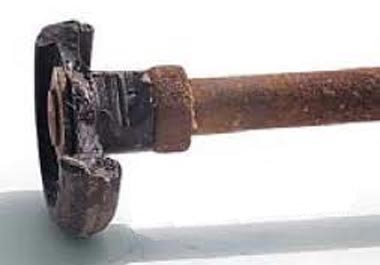
Cause: Misalignment, damage or clogging of the garage door track can be a serious problem when attempting to open your garage door smoothly. Telltale signs of track issues are gaps between rollers and the rail, misshapen elements, a rubbing noise, or a stiff feel when opening. Over time, continually opening your garage door with misaligned or damaged tracks can make the problem worse.
Solution: Depending on the severity of the damage, you may be able to use a hammer or mallet to gently ease the track back into the correct shape or position. Clogs or obstructions can be removed with a cloth. If the damage is particularly severe, or you are unsure of how to rectify the problem yourself, you should leave the job to a specialist with the skills to fix the problem.
Broken Tension Spring or Cable
Cause: The job of controlling the slow and smooth lowering of your garage door is that of the tension springs or cables. If these become damaged the garage door could slam shut very quickly. And if the cables snap, the loose ends may fly out and strike somebody standing nearby.
Solution: To avoid injury to yourself and your property, try not to go near your garage door until you have called out technicians to assess the damage and solve the problem.
Obstructions
Cause: Stones and debris can become lodged in the garage door mechanism, obstructing key components. This can prevent the door from closing properly.
Solution: If you suspect an object is jamming your door, carry out a brief inspection of the garage door mechanism, looking out for stones or other objects that may have become stuck. Only remove them if you deem it to be completely safe to do so, and you may even wish to enlist the help of another person to ensure the door does not cause you injury. If you’re unsure about the safety of this operation, call out the professionals to deal with the problem.
A Faulty Emergency Release
Cause: If your emergency release is faulty, it might mean that your garage door is difficult to budge. This is a particularly annoying issue for automatic garage doors that are broken; in these cases the emergency release is relied upon to open the door manually. If this is also faulty, your garage door will be stuck in the shut position.
Solution: Call in a professional, who can diagnose the problem with your emergency release and provide a solution.
If you still can’t identify the problem with your garage door, it’s time to call the experts at Eastern Garage Doors, who can help restore your door to perfect health. We are a premier garage door installation and repair company, operating across the East of England, including Norfolk, Suffolk and Cambridgeshire. Get in touch today to book your free no obligation survey.e
Struggling to Open Your Manual Garage Door?

Closing an automatic garage door may seem like an easy task and one that we take for granted. However, like with any machines, if we’re not careful we can cause ourselves and our property damage. It was only last summer that a Cambridgeshire woman was crushed in the roller mechanism of an automatic garage door after misusing it. Accidents such as these can be avoided with a few simple steps, and that’s why we’ve put together the following guide, describing 7 easy ways to stay safe around automatic garage doors.
Read the Manual
The best way to become familiar with your garage door and how it operates is to read the manual. Whilst it’s not Dickens, it’s an important document to read at least once. The manual should be able to tell you essential information, such as the key safety features e.g. the emergency release.
Keep Out of Reach of Children
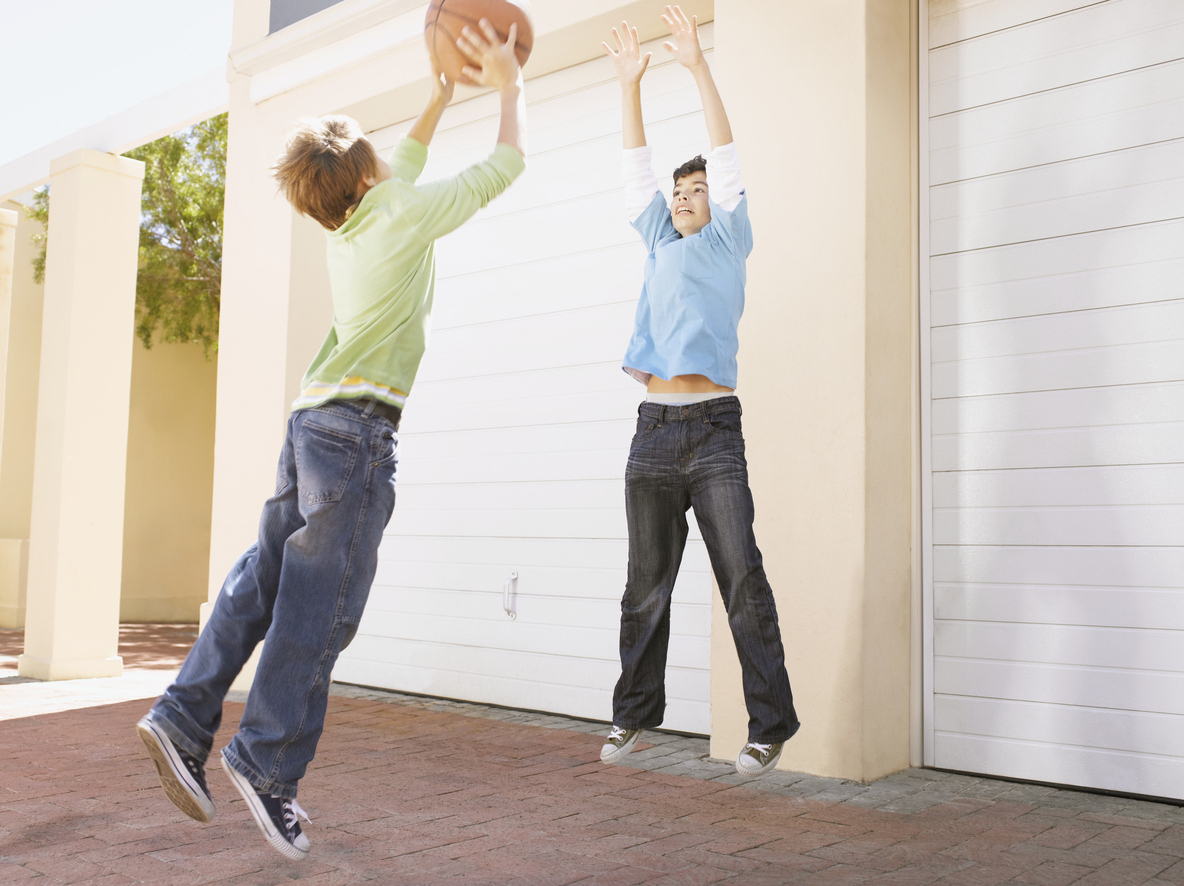
Kids are known for being excitable, and often like to run around outside and play. However, it’s never safe for a child to go near a garage door, or be allowed to play with the remotes that operate it. If this is becoming an issue in your home, consider having a chat with your child about the dangers of playing near garage doors and always check twice before you open yours.
Inspect Your Garage Door Regularly
The best way to detect any developing problems with your door is to regularly check over it, making sure it’s as healthy and well-operational as it should be. Look for any signs of wear and tear. If your garage experiences any damage, for example, if it was backed into by a vehicle, then it should be checked over by a professional as the damage may be not be immediately apparent to an untrained eye. Never try and fix problems yourself, and always get a specialist company to carry out the repairs and maintenance. Due to the high tension springs and cables present in the mechanism, attempting the repair work yourself could result in injury.
Check Reversing Ability
An essential feature of an automatic garage door is its reversing ability, which ensures that if the door hits an obstruction, it will reverse its path and return back upwards. To test this, place a brick or similar below the garage door to make sure it performs this movement, repeating this test at least once a month.
Stay Away From Moving Doors
Don’t attempt any Indiana Jones close shaves by running under a garage door as it’s closing. Stand well clear any time a door is either opening and closing, encouraging anyone else around you to do the same, including pets and children. Don’t touch or hang onto a door as it’s moving either; this is how last year’s fatality occurred.
Deactivate Your Opener When You Go Away

For both safety and security reasons, it’s important to deactivate your garage door opener whilst away on holiday, preventing any unwanted access during your time away.
Always Shut the Door Fully
Try not to leave your garage door partially open. If it is reactivated, it will complete its closure, leaving very little time for escape if something happens to be underneath at the time. Not only this, but it’s wise to close the door completely to prevent would-be criminals from taking the opportunity to explore your garage.
Here at Eastern Garage Doors, we’ve got your safety in mind. We offer comprehensive garage door servicing, repair and maintenance services, in addition to installing a huge range of manual and automatic garage doors available in a range of styles. Our specialists cater for the entire East of England. If you have a question about your garage door, don’t hesitate to get in touch with our friendly advisers today.
7 Ways to Stay Safe Around Automatic Garage Doors

If you find yourself wrapping up warm just to enter your garage, it might be time to investigate how to raise the temperature. Household garages are high-traffic areas, with many family members passing through to collect bikes, perform DIY projects and access their vehicles. But wintry weather can make these experiences less than enjoyable by turning your garage into a bitterly cold area that you will want to avoid at all costs. Not only that, but the harsh temperatures can potentially cause damage to equipment stored in this space. So if the Christmas season has landed you with a freezing cold garage, here are 5 tips to keep it warm.
Get Warm and Toasty With a Heater
An obvious choice for warming up a space is to install a heater. The decision you need to make is whether to opt for gas or electric, both of which have their pros and cons. Gas heaters are cheaper but require a gas supply and exhaust venting. Electric heaters are pricier but boast an easier installation.
To guarantee a safe fitting, heaters are best installed by a trained professional, who can also advise as to what model could suit your garage best. But beware; heaters are a wasted addition if your garage is not kitted out with decent insulation, as the heat energy will simply conduct through the walls and floor and disappear; which brings us onto the next few points.
Insulate the Garage Door
The simple laws of physics state that heat conducts through solid surfaces, and this includes your garage door. As a result, fitting it with insulating materials is a great way to help the heat stay in your garage. A variety of materials are available for this purpose, including foam boards and fibreglass batt insulation. Whatever you choose, ensure that it’s applied with a snug-fit; to achieve this, you may wish to hire out a professional to guarantee a good job.
Insulate the Garage Walls
Don’t just insulate your door and neglect your walls. This huge surface area is capable of conducting energy, letting it escape from your garage and making temperatures inside plummet to uncomfortable levels. Treating your walls to some insulation can work wonders in raising the temperature, especially when combined with the presence of a heater. There are a few insulation options available to homeowners; a trusted professional should be able to help you with your selection if you’re unsure.
You should also take note that insulation is only effective if it’s installed snugly and securely, which is why it’s best to get specialists on board to perform a thorough job.
Repair Or Replace the Weatherstripping
Defend yourself against draughts by repairing or replacing your garage’s weatherstripping. Weatherstrips create a seal between the garage and the garage door opening, keeping it weather-tight. Over time, these valuable components can become cracked, allowing cold air to escape through. Simply repairing or replacing weatherstrips can bring them back to top working order, helping to eliminate draughts.
Consider Caulking
Gaps and cracks are enemies of energy efficiency, which is why caulking is an important process to perform and maintain. Caulking means using a sealant and application gun to fill in any gaps and cracks around windows, garage doors, and other areas where gaps can appear. A rule to remember is to caulk any area where two dissimilar materials meet e.g. brick and wood. Before you caulk, clean the area and make sure it’s dry to prevent moisture from being sealed in.
If you want to banish the cold from your garage, the team at Eastern Garage Doors are here to help. Our specialists offer comprehensive supply, installation and maintenance of garage doors across the East of England. We also offer prompt and professional garage door servicing and repair to help keep your garage in good working order. To get your free survey or quote, simply get in touch with us today – we’re happy to answer all enquiries.
Freezing Cold Garage? Here Are 5 Tips to Keep it Warm
Don’t leave your garage defenceless. Many homeowners overlook the security of this area of their properties, leaving it vulnerable to would-be thieves. And with many garages housing valuable equipment such as lawnmowers, bikes and electricals, they can be very attractive to criminals. But just a few simple precautions can turn your garage into a safe and secure space to keep your most prized belongings. That’s why in this month’s article we will be focusing on top tips and advice for enhancing your garage security.
Use Your Common Sense
Sometimes we can overlook the simplest things that can bring about our downfall. For example, never leave your garage keys/remote in your car. Vehicles are easier to break into than most garages, and therefore leaving unlocking equipment in your car is not advisable. Another precaution that is sometimes forgotten is leaving the garage entry door into the home unlocked. If a thief does manage to enter your garage, don’t double your problems by granting them access to your home as well.
Invest in Some Basic Security Equipment
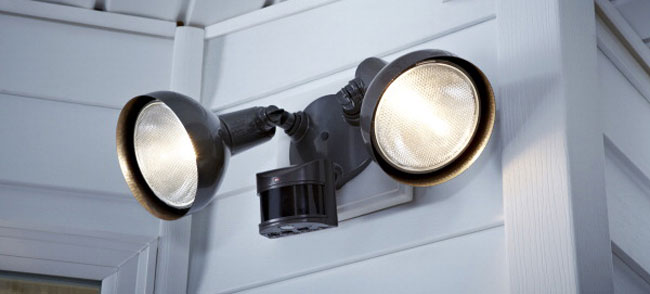
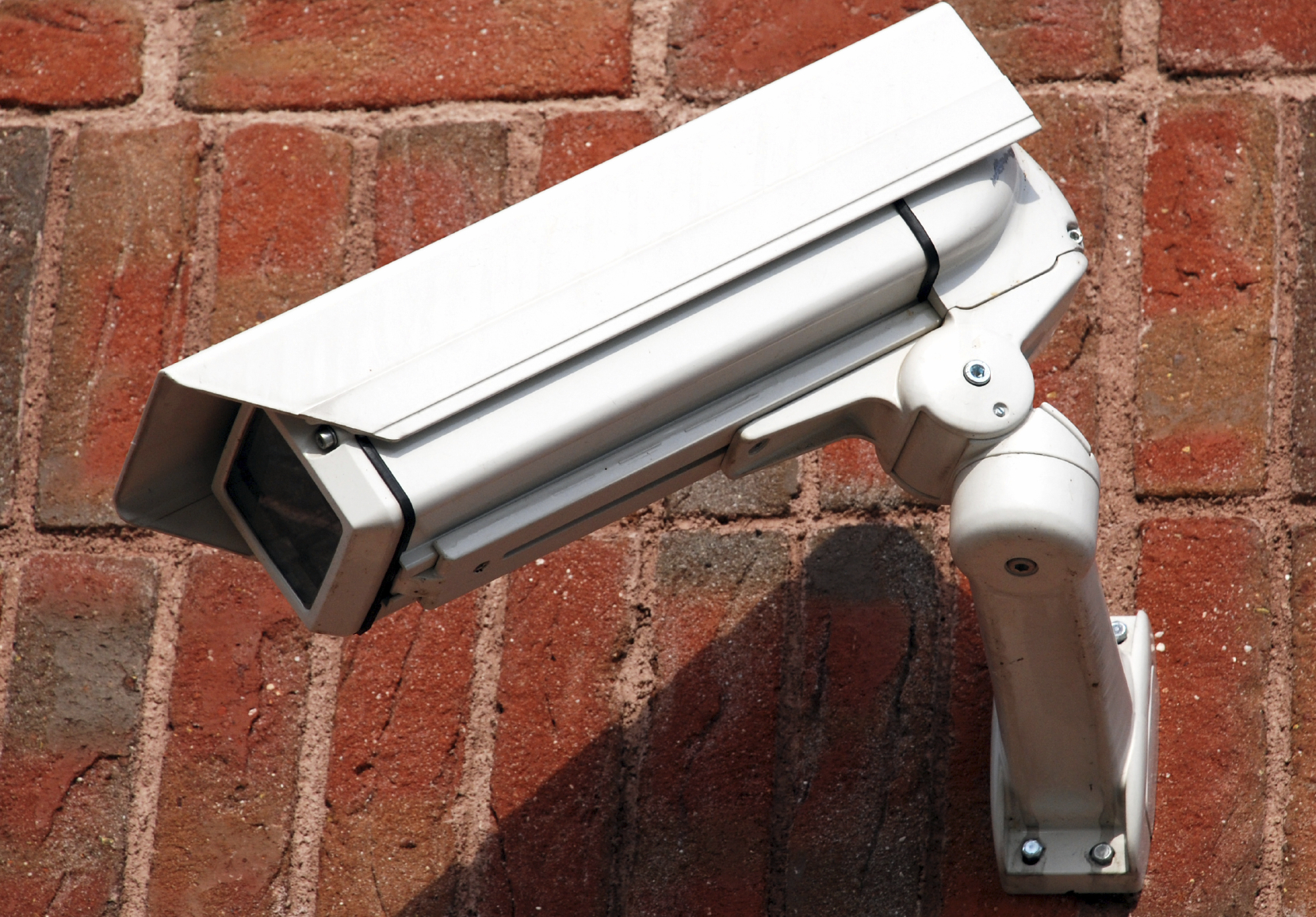
Sometimes just the presence of security equipment is enough to make thieves think twice about attempting a break-in. Motion sensor security lighting is great way to deter lawbreakers. It might even be worth installing an alarm system especially for the garage, or even a security camera if it’s within your budget.
Close The Garage Door Properly
This may seem like an obvious step, but everyone is guilty of missing things when they’re in a hurry. Unfortunately this blunder is an open invitation to burglars. To stop yourself from making this mistake, it might be worth installing some high-tech gear to help you out, such as an automatic door closer or a garage door monitor.
Keep Things Concealed
The contents of your garage will only be more attractive if they are on display. If your garage has windows, consider hanging sheer curtains or blinds to stop people from peeking in, but that still allow sunlight enter. You should also consider putting some tarpaulins over more expensive items, concealing them from prying eyes when you have your garage door raised.
Style Matters
While all garage doors can offer a good level of security if used properly, there are certain styles that provide that little bit more protection. Roller doors are well suited for automation devices which can enhance security. Sectional garage doors are also a good choice, as their strong design means they lack any decent penetration points for burglars to prise open the door.
Garage Security: Top Tips & Advice
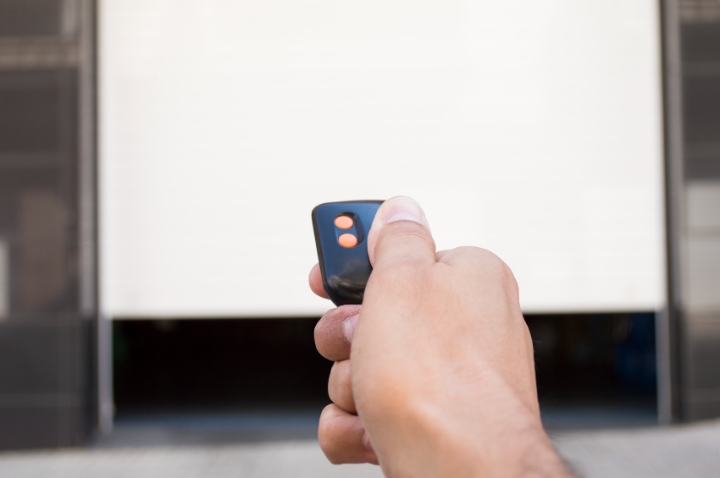
Most manual garage doors are cumbersome to open and close, and sometimes when we’re struggling to lift our garage door, battling the wind and rain, the idea of sitting in our car and simply pressing a button to achieve the same result can seem very appealing. Automated garage doors can offer convenience to homeowners, as well as enhancing security and safety. However, you don’t always have to install a brand new door to accomplish this; many types of garage door can be upgraded by automation, meaning you can minimise hassle by adapting your existing door.
But what are the benefits of automating? And how is it achieved?
Why Should I Automate My Existing Garage Door?
- It allows you to make use of your current door without having to install a new one.
- UK weather is renowned for being fickle, and when the wind, rain and snow are raging outside, leaving the warmth of your car to open the garage can be an unwelcome prospect. Automation allows you to stay seated and comfortable while your garage opens with the click of a button.
- For elderly people or those with disabilities, opening and shutting heavy garage doors can be a challenge that automation can eliminate.
- When opening manually, if the movement is not completed correctly, with the door not being opened at the centre, this can throw the door off balance and lead to eventual expensive repairs. However, if the movement is automatic then this ensures that the door opens in a smooth, centered motion that preserves the performance of the door for as long as possible.
- Automation may also improve security, as forced entry is more difficult to achieve with non-manual garage doors.
What Types Of Garage Door Can Be Automated?
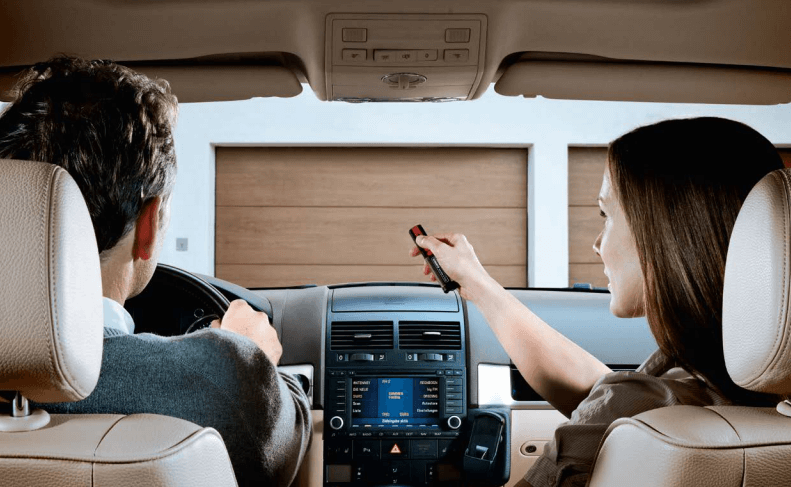
Many types of door can be automated with a couple of exceptions. If your door is too badly damaged or warped, they might not work effectively with an electric motor, and repair or replacement should be considered instead. In addition, if your door possesses an especially odd spring and gear arrangement, then this could hinder automation.
Retractable Up and Over: This type is the easiest to automate, and is also fairly cost effective. A boom is simply installed above the structural opening, and an electrical motor is installed at the other end. Sectional garage doors can also be automated in a similar manner.
Canopy Up and Over: This style of up and over do not adapt as well to an electrical opening system. Instead, these doors may require a bow arm conversion kit, which is fitted against a door and is able to slide, giving the door the ability to fully open and shut.
Side Hinged Garage Doors: Almost all doors of this style can be automated, usually through one of two methods. 1) Swing arm kits, which work by installing two pivotable arms to each side of the door and the boom. 2) Electromechanical system, which consists of a series of mechanical components used to open the doors.
Roller Doors: Most roller doors can be automated, but demand some reconstruction and dismantling of the existing garage to achieve this.
Why Should I Automate My Existing Garage Door?

If your garage refuses to close, this could pose a risk to the security of your garage and all the valuable items contained within it, including your car. It’s security 101 to keep your garage door operating smoothly and without any hitches, so when a problem does arise, it’s important that you are able to identify it and know what your next steps are. That’s why we’ve compiled a list of the most common faults that hinder garage door closure, how to identify them, and what you should do to fix it.
Safety Eye Sensor
A common factor affecting closure is issues with the photo eye sensors that sit on both sides of the door, facing each other. They work by transmitting a beam between them, and if anything gets in the way of the beam, it will not allow the door to close, which is an essential safety feature normally, but can cause problems when triggered at inconvenient times. One sign of a fault is if the usually solid red lights on the sensors are blinking.
There are a few things that could be causing this, the most probable being that the eyes are misaligned. Move them around, if you can, to see if they realign. Another problem could simply be that the photo-eye lens is dirty, or that there’s debris blocking or obstructing the safety beam’s path. Both of these can be fixed by wiping down the photo eye lenses, or checking the floor for debris accumulation. If none of these techniques work, call out a professional, who may need to replace the sensors.
Garage Door Track
The garage door track itself may have become warped over time, due to changes in temperature causing the metal brackets to expand and contract. This warping may mean that the door might not fit in the tracks properly. In this case, the track or might need to be replaced by a professional.
Springs, Hinges & Cables

Cables or springs in the door may have become frayed or worn, and will possibly need replacing. These issues can potentially be identified by yourself, by looking. These repair jobs can potentially be dangerous, so it may be best to called out a trained professional.
Another possible issue may lie with the the limit switch; it’s the job of this feature to control the travel of the door, so if there is a defect with this component, then this could cause the door to only shut part way. Adjusting or resetting the limit switch could fix this.
If the door is making strange noises as well as getting stuck when shutting, then it might not be lubricated properly, causing the joints and hinges to stick. Purchase some lubricator to rectify the problem.
Electrical Components
If you have an electric garage door, check all wires in all electrical components of the doors to see if any wires have become loose or damaged.
Wonky Garage Door
Your garage door might not be level and parallel with the ground. Run this simple test to find out; lower the door a few inches from the ground and put something below it to hold it there. Assess if the bottom of the door is parallel with the floor. A garage door that is not level can cause issues, and needs to be corrected immediately through professional means.